



Laboratory of Antimicrobial Compounds
Group of Dominik Rejman
I. Lipophosphonoxins – new antibacterial substances selectively disrupting the bacterial cell membrane
In this project, we focus on the design and synthesis of lipophosphonoxin derivatives with optimal antibacterial effects and low toxicity. We study the interactions of lipophosphonoxins with model membranes at the molecular level, the effect of lipophosphonoxins on bacterial growth and metabolism, and the (in)ability of bacteria to develop resistance to these substances.

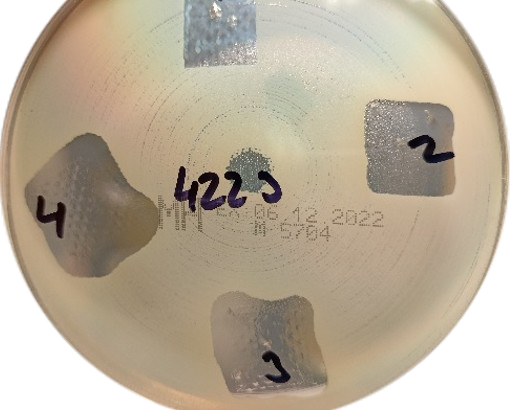
Within this project, we are also developing new active dressings with antibacterial properties to accelerate the healing of skin wounds infected with bacteria. These are active wound dressings based on electrostatically spun nanofibrous materials made of poly(ε-caprolactone) and polyvinyl alcohol, which release lipophosphonoxins in a controlled manner.
Collaboration and selected publications
II. Pyrrolidine Inhibitors of Hypoxanthine-Guanine-Xanthine Phosphoribosyl Transferase as Potential Antimalarial and Antituberculosis Agents
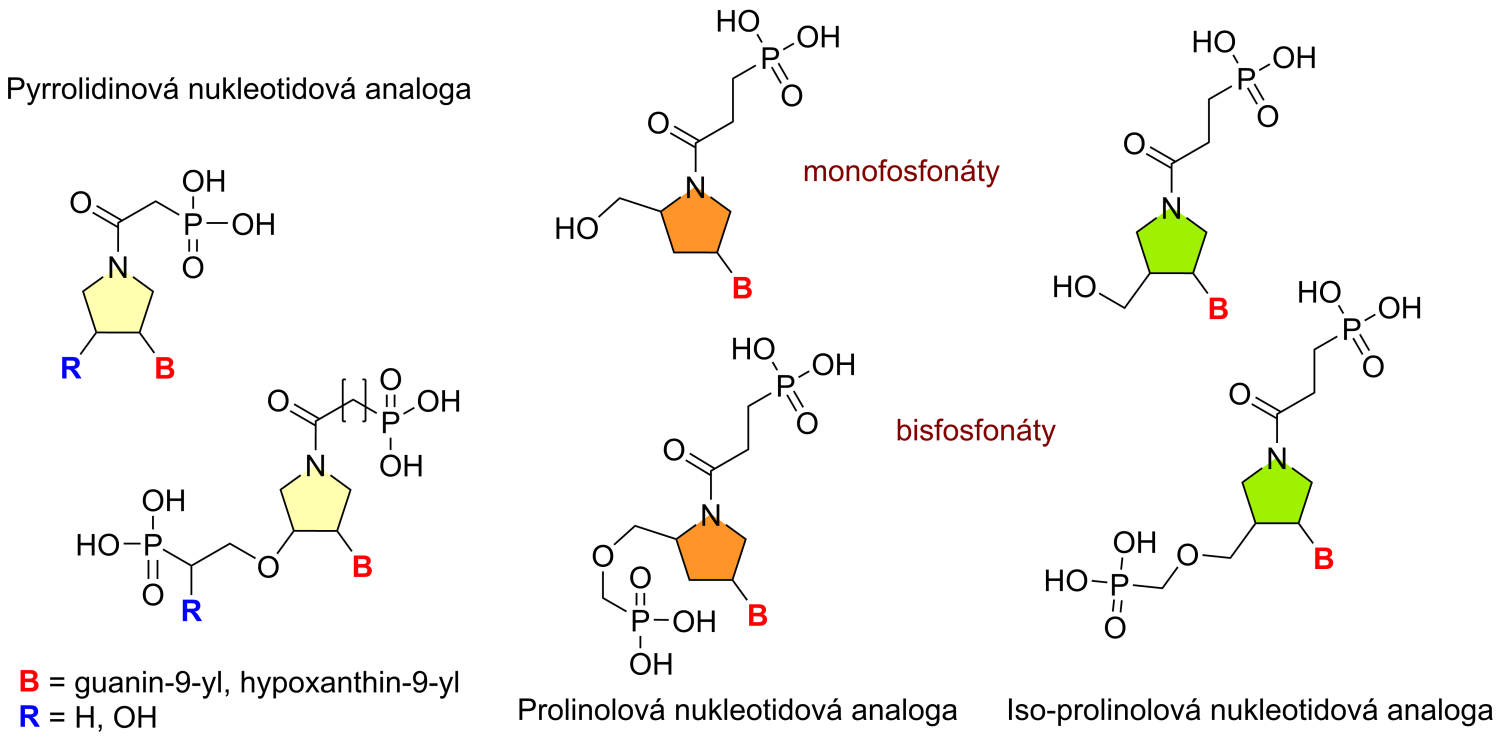
In this project, we are dealing with the design and synthesis of phosphonate and bisphosphonate pyrrolidine inhibitors and their prodrug forms.
Collaboration and selected publications
III. New β-lactamase inhibitors based on boronic acid derivatives
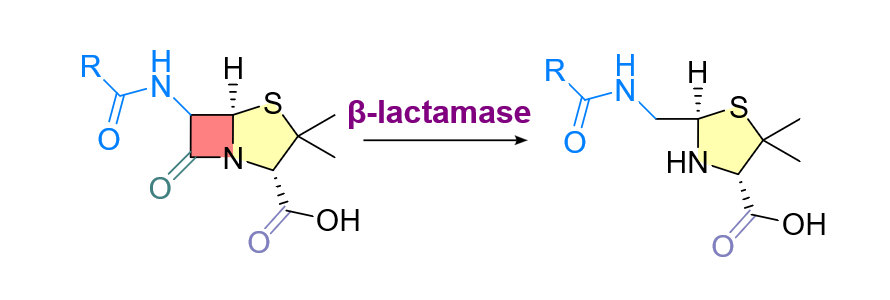
In this project, we are dealing with the design and synthesis of substances capable of reversing antibiotic resistance to β-lactam antibiotics.
Collaboration and selected publications
IV. Synthesis of molecular tools for studying mechanisms of antibiotic resistance
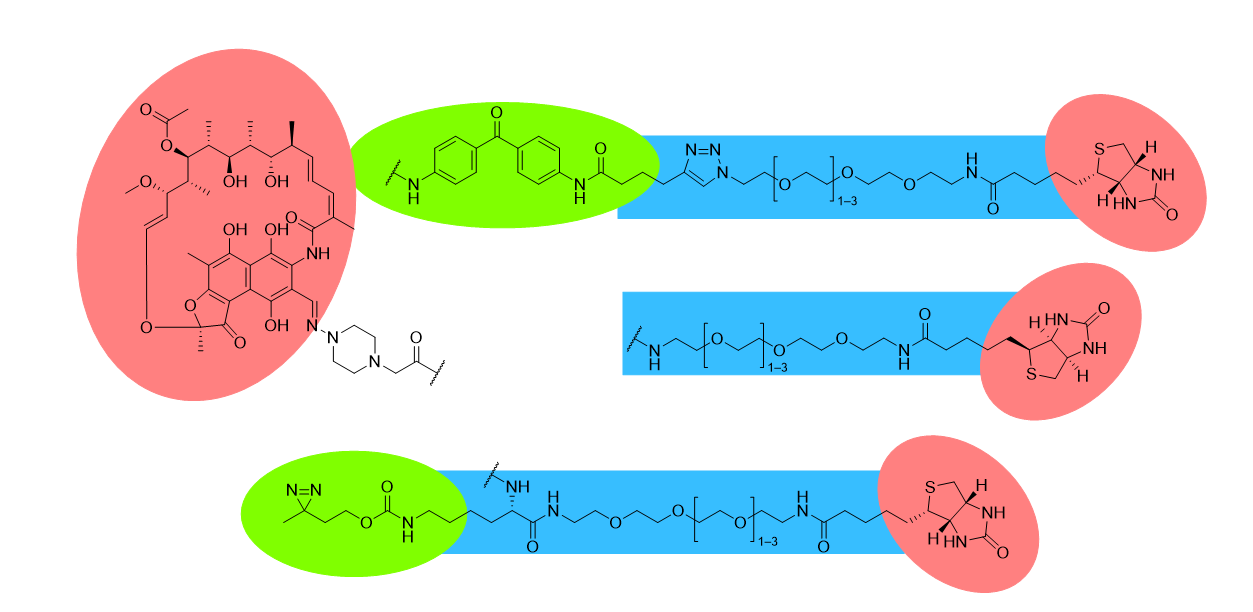
In this project, we are engaged in the design and synthesis of molecular tools that help in the search for new mechanisms of resistance to used antibiotics. These tools are usually composed of a given antibiotic and either a fluorescent label or a photo-activating group and biotin. In this project, we are also synthesizing molecular tools for the study of the bacterial stringent response as a potential target for new antibiotics. Here, the main idea is to target regulatory pathways instead of metabolic pathways, which are common targets of current antibiotics (which lose activity in the case of dormant or persistent bacteria).